Episode 25 · Duration: 14:54
About this episode
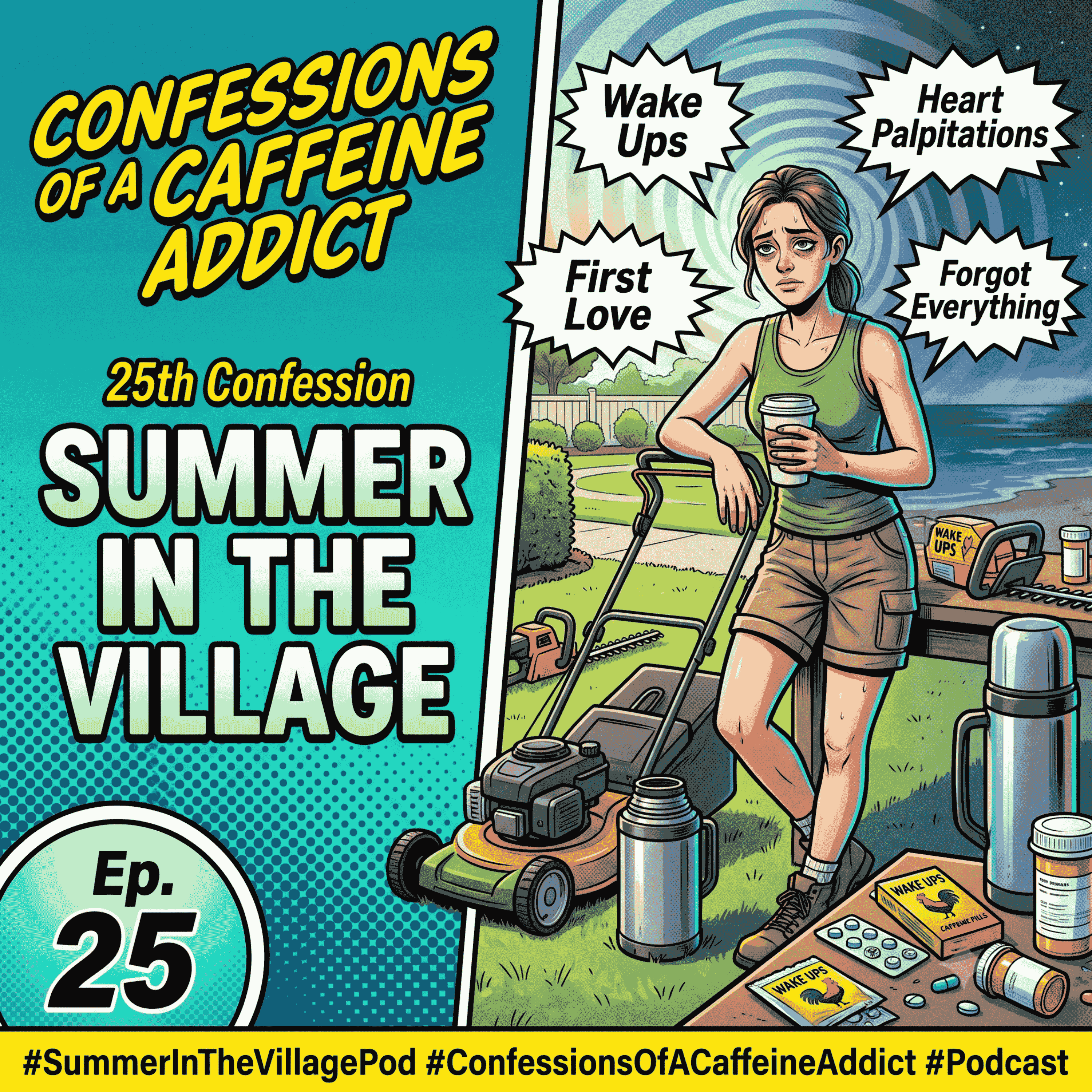
A summer landscaping job, a shy first love, and a seemingly harmless over‑the‑counter pill set the stage for a quiet but intense stimulant spiral. “Summer in the Village” (25th confession) follows a young woman who uses Wake Ups caffeine tablets to stretch herself across nine‑hour days of hard physical labor and nights of staying out until dawn with her boyfriend, only to end up gaunt, exhausted, forgetful, and wracked by heart palpitations and anxiety before she finally quits. It’s a story about how easily stimulants can turn a romantic summer into a blur of lost memories and frayed nerves.
What You'll Hear in This Episode
- Her move back in with her parents for the summer before journalism school in Vancouver, and her new job with a landscaping company cutting grass at large retirement complexes.
- The grueling routine: waking at 5:30 a.m., filling a large thermos with coffee, pushing mowers and yanking weeds for eight or nine hours, then collapsing into bed after supper—until she meets Bryan, her first boyfriend.
- How intense shyness gives way to “do‑anything‑to-see-you” love: seeing Bryan five or six nights a week while still working long days, and turning to Wake Ups caffeine pills so she can stay out until dawn and still show up for work.
- Rapid escalation: starting with two pills after work, then four, finally five a night to stay wide awake for movies and late‑night beach hangs.
- Cognitive and emotional fallout: repeating stories, forgetting appointments and plans, waking in panic after sleeping through commitments, snapping at her mother for not waking her, and becoming withdrawn and irritable while hiding the pills from her parents.
- Physical consequences: losing ten pounds off an already tiny frame, looking gaunt, not eating well, and feeling that the initial bursts of energy are gone even as her nerves fray and heart palpitations begin.
- The breaking point: fighting with Bryan, ragged nerves, and deciding she’s “had enough of Wake Ups,” quitting the pills, then noticing coffee in the morning makes her feel anxious and distracted just like the tablets.
- Her transition to chamomile and non‑caffeinated teas, resisting coffee before long days of mowing, and stocking up on herbal options while learning about caffeine’s effects on anxiety and stress.
- Realizing that her “nervous stomach,” exam‑time cramps, and restroom marathons during social events were likely tied to coffee, not spicy food, and noticing those symptoms vanish after quitting coffee.
- Returning to school and choosing herbal tea at coffee shops so she can still join study groups without sliding back into caffeine dependence.
- Looking back years later, married to someone else, with only vague memories of those beach talks and dates—and feeling the sting of how much of her first love she gave up just to stay awake.
Key Takeaways
- Over‑the‑counter caffeine pills can feel “safe” because they’re legal and sold at convenience stores, yet still drive serious dependency and side effects.
- Combining hard physical labor with nightly social marathons dramatically increases the temptation to use stimulants to “make it all work,” especially in young love.
- Caffeine‑induced anxiety, heart palpitations, and memory lapses can creep up gradually, making it hard to connect the dots until the damage accumulates.
- Replacing caffeine with herbal teas and examining real triggers of stomach and bowel issues can reveal how much coffee was silently driving both physical and emotional distress.
- Some of the most meaningful parts of our lives—like memories of a first love—can be dulled or lost when we trade presence for chemical alertness.
Resources & Links
- 🌐 Visit us at https://linktr.ee/UnwiredLife
- 📖 Confessions of a Caffeine Addict by Marina Kushner
- 📩 Share your own caffeine confession: https://linktr.ee/UnwiredLife
- 🛒 Live Unwired Media : LiveUnwired.org
Transcript
How could I spend almost every night until the sun came up with Brian? My solution was caffeine pills. Wake-ups. Small white packets with a rooster on the front. They were almost comical and surely not anything to worry about. If I could buy them over the counter, how dangerous could they be? Thanks to wake-ups, I could stay out all night, come home near dawn, grab an hour of sleep, and get up and head to work. My body ached, My feet were heavy and I dreaded getting out of bed, but I was in love. That first delirious, do anything to see you type of love. Listen, we all talk about the grind, but most of you are subsidizing your hustle with a chemical loan you can't pay back. In this new series, Unwired, we aren't just talking theory. We're going into the dirt with 40 anonymous stories of people who thought they were using caffeine to be superheroes, only to realize it was the very thing dismantling their health and their marriages. This is the case study of the hidden tax on your ambition. This is the case study of a summer where love, hard work, and a tiny white pill quietly rewired a young woman's mind and body. Welcome back to Live Unwired. Real stories from real lives transformed by one everyday drug most of us barely even question. This 25th confession is called Summer in the Village. It begins with a plan. She's been accepted into a journalism program in Vancouver and intends to live near campus, but for the summer she's back home with her parents, comforted by the thought that it's only temporary. She lands a job with a landscaping company. Every morning starts at 5:30 AM. She fills a large thermos with coffee, drives to the shop, loads lawn mowers and tools into the truck, and heads out to retirement residences where hundreds of small lawns need cutting. The work is punishing— pushing a mower back and forth all day, yanking weeds, walking miles for 8 or 9 hours straight. By evening, she's exhausted, falling into bed after supper. Then she meets Brian, first boyfriend. She's attractive, smart, funny, but intensely shy and anxious in social situations. At a party, they talk all night. He leaves with her phone number. To her surprise, he calls. Soon they're seeing each other 5 or 6 times a week. It's wonderful, but the math doesn't add up. 9-hour days of heavy manual labor and nights that stretch until sunrise. How can she keep pushing mowers all day and stay up with Brian all night. Her solution is caffeine pills, wake-ups, small white packets with a rooster on the front that look almost comical on the drugstore shelf. Over-the-counter, cheap, and easy. If you can buy them at 7-Eleven, how dangerous can they be? Thanks to wake-ups, she can stay out until dawn, grab an hour of sleep, and drag herself to work. Her body aches, her Her feet feel like lead. She dreads getting out of bed, but she's in that first delirious, do anything to see you kind of love. 2 pills after dinner become her routine. After a month, 2 don't do much. She doubles to 4. Eventually, she's taking 5 just to be wide awake for a movie or a night on the beach. Then odd things start happening. She tells stories she's already told and doesn't remember doing it. She forgets appointments, plans with friends, shows up late because they slipped her mind. She wakes in the middle of the night in panic because she slept through plans with Brian. Her mom says she tried to wake her when he called, but she was out cold. She snaps at her mother for not waking her, then feels guilty. She becomes withdrawn, irritable, and never mentions the pills because she knows her parents would worry. She loses 10 pounds off an already tiny frame and starts to look gaunt. She isn't eating well. The initial bursts from wake-ups are gone. By the end of the summer, her nerves are ragged. Her heart is skipping and racing. Brian and her are fighting, and she's had enough of the pills. She quits wake-ups. Coffee in the morning stays for a moment until she notices it makes her feel anxious and distracted. In almost the same way. She switches to chamomile tea so she still has something hot to sip before work. Without caffeine, she's tired and grumpy. Many times she almost buckles and reaches for coffee, dreading a day of pushing a mower with no chemical help. Each time she remembers the racing heart, the anxiety and guilt, stocks up on non-caffeinated teas, and holds the line. She starts reading about coffee's effects, She already knows it can cause anxiety, but not that it can elevate stress and tie directly into a nervous stomach. For years, exams or big social events sent her to the restroom for half an hour with cramps. She blamed spicy food, popped antacids, and steered clear of chilies. After quitting coffee, those stomach and bowel problems vanish. When she returns to school, the question hits: Can she study without coffee? Coffee is a social event, study groups at cafes, late-night discussions over lattes. She chooses herbal tea instead and discovers that as long as she has something warm in her hands, she can sit in the coffee shop and through any lecture without sliding back into caffeine. Years later, she's married, not to Brian, though they remain friends. She can only vaguely recall the fun times, their dates, and late-night conversations on the beach. And she still feels a quiet grief that she traded so many memories of her first love just to stay awake. This episode is brought to you by Live Unwired, liveunwired.org, a community helping people reclaim natural energy, deeper sleep, and real peace of mind without leaning on stimulants. liveunwired.org is the home base for this show and the gateway to 3 core resources from the Adrenal Foundation: The Truth About Caffeine, The Truth About Coffee, and Confessions of a Caffeine Addict: 40 True Anonymous Stories That Inspired This Series. Together, these 3 books give you the science, the lived experience, and the practical insight you need if you're ready to step out of the burnout loop and explore life with less or no caffeine. And if you recognize yourself in the edges of this story, you'll find support waiting at liveunwired.org. Now settle in for Confession 25, Summer in the Village. Summer in the Village. I was looking forward to moving to Vancouver, where I had been accepted into the journalism program. I planned to live near the college, but for the summer I stayed with my parents, comforted by the thought that it was only short-term. I found a job at a landscaping company. Every morning, I would wake up at 5:30 AM, fill my large thermos with coffee, and drive to work. At the shop, we would load the lawn mowers on the truck, stack gardening tools and our lunches in the back seat, and drive to the first stop of the day. Most of the clients were retirement residences with their small patches of grass in the back and front yard. It would take our team an entire day to cut the grass in the whole complex. There were hundreds of units. The work was hard, pushing a mower back and forth all day, yanking weeds, walking miles for 8 or 9 hours. Whew, I was exhausted, falling into bed after supper. Then I met my first boyfriend. I had never dated much. I could barely muster up the courage to look a guy I liked in the eye. I was attractive, smart, and funny, but intensely shy and anxious in social situations. I ran into Brian at a party. We chatted all evening, and he left with my phone number. To my surprise, he called me. Soon we were seeing one another 5 or 6 times a week. It was wonderful, but I worked 9 hours a day at a physically demanding job that left me drained at the end of the evening. How could I spend almost every night until the sun came up with Brian? My solution was caffeine pills. Wake-ups. Small white packets with a rooster on the front. They were almost comical and surely not anything to worry about. If I could buy them over the counter, how dangerous could they be? Thanks to wake-ups, I could stay out all night, come home near dawn, grab an hour of sleep, and get up and head to work. My body ached, my feet were heavy, and I dreaded getting out of bed, but I was in love. That first delirious, do-anything-to-see-you type of love. I took wake-ups all day, every day. After work, I would eat a hurried dinner and pop 2 more. After a month, 2 did not do much, so it was 4, and finally 5, so that I could be wide awake to see a movie with Brian or sit on the beach until dawn. Then odd things started to happen. I would tell a story that I'd already told. I forgot appointments, plans with friends, and was constantly rushing to an engagement late because it had slipped my mind. I would wake up in the middle of the— Quick pause for a second. If you're hearing yourself in this book, I built 2 things to go deeper than this audiobook can. First, there's Unwired, a caffeine cessation app where you can track your own withdrawal timeline, sleep, mood, and crashes day by day. And inside Unwired, you can work one-on-one with a coach who actually understands caffeine addiction and will walk you through a real plan instead of you guessing alone. The waitlist link is at the very top of the description. Second, there's the Unwired podcast built around 40 real caffeine case studies. Students, parents, founders, night shift workers walking through the same crashes you're hearing about right now. The link is right next to the app. If you want more than information, if you actually want a plan, a coach, and stories that feel like yours, hit those links, then come right back. Night in a panic because I slept through plans with Brian. My mom told me that when he called, she shook me trying to awaken me, but I was out cold. I would snap at her for not waking me, then feel guilty. I became withdrawn and irritable. I never told my parents about the wake-ups because I knew they would worry. I lost 10 pounds, which on my already tiny frame made me look gaunt. I was not eating well and had no energy. The initial bursts I got when I started taking the pills were long gone. By the end of the summer, my nerves were ragged. I was getting heart palpitations. Brian and I were fighting, and I'd had enough of wake-ups. At first, I just gave up the caffeine pills. I still had coffee in the morning, but it made me feel anxious and distracted, just like the pills. I switched to chamomile tea so I would have something hot to sip. Without caffeine, I was tired and grumpy. Many times I almost buckled and had coffee before work, dreading the prospect of a day pushing a lawnmower with no caffeine. Then I remembered the racing heart, the anxiety, and guilt. I stocked up on non-caffeinated teas and stuck it out. I started reading about the effects of coffee. I already knew it could cause anxiety, but not that it could elevate stress. If I felt stressed, my stomach would cramp. Exams or large social gatherings would have me sitting in the restroom for a good half hour. I suffered from a nervous stomach for the past few years. I popped antacids regularly and stayed away from what I thought was the root of my problem— spicy foods. Now I realize it was probably caffeine. I have not had any stomach or bowel problems since I quit coffee. After my summer of landscaping, I returned to school. Right away, I thought about coffee. Would I be able to study without it? Drinking coffee was a social event as well. We'd meet in groups at coffee shops to talk or study. I chose herbal tea instead. I found that as long as I had herbal tea, I could sit at the coffee shop or through any lecture. I was a lucky caffeine junkie because I hated the effects the caffeine pills had on me, and I never liked the taste of coffee. When I quit, I missed the alertness it gave me, but never the taste. I was like an alcoholic who drinks to get drunk. 4 years ago, I got married. Not to Brian, though we remained friends. I can only vaguely recall the fun times, our dates together, and what we talked about on the beach. I still feel bad that I gave up so many memories of my first love just to stay awake. Her first great love and her first serious stimulant spiral happened in the same summer. And she can now remember the pills more clearly than the nights on the beach. Wake-ups boosted her through 9-hour landscaping days and dawn-to-dawn dates until forgetfulness, palpitations, weight loss, and anxiety told her the cost was too high. Walking away from the pills and then from coffee gave her back her health, but some memories are gone for good. If you're using caffeine or pills to keep up with a life you otherwise love, this story asks a hard question. What moments are you trading away in the process? Awake doesn't always equal present. For more stories about energy pills, relationships, and the subtle sacrifices they demand, and ideas for showing up fully without stimulants, visit liveunwired.org. If you made it this far into The Truth About Caffeine, already know this isn't just about coffee. It's about your nervous system, your sleep, your anxiety, and your life. If you don't want to do this alone, that's why I built Unwired. Inside the Unwired app, you can log your last caffeine use, track withdrawals, sleep, mood, and energy over days and weeks, see your own nervous system reset instead of hoping it's working, and get matched with a coach for one-on-one training, so you're not white-knuckling this by yourself. Alongside that, the Unwired podcast walks through 40 real caffeine case studies, people who went from just coffee to energy drinks and pills, and then back out. You'll hear their mistakes, relapses, and what actually worked. Both links are at the top of the description. Join the Unwired app waitlist for coaching and tracking. Listen to the Unwired podcast. Best. Save this audiobook, send it to one person who needs it, and if you're stuck in that daily 2 PM crash, come do this with us inside Unwired, not just in your head.